A consortium comprising Alstom, FCC, John Laing, Meridiam and RATP Dev has formalised its intent to bid for Dublin’s MetroLink project through a Memorandum of Understanding, positioning itself to deliver Ireland’s first automated metro system. The consortium will compete for the design, construction, financing, operation and maintenance of the 19km railway that will connect Dublin Airport to the city centre through a complex network of underground and surface alignments.
The MetroLink project represents Ireland’s most significant public transport infrastructure undertaking, requiring sophisticated engineering solutions across multiple construction methodologies. With 11 of its 16 stations located underground and much of the route running beneath Dublin’s city centre, the project demands extensive tunnelling expertise alongside automated train control systems.
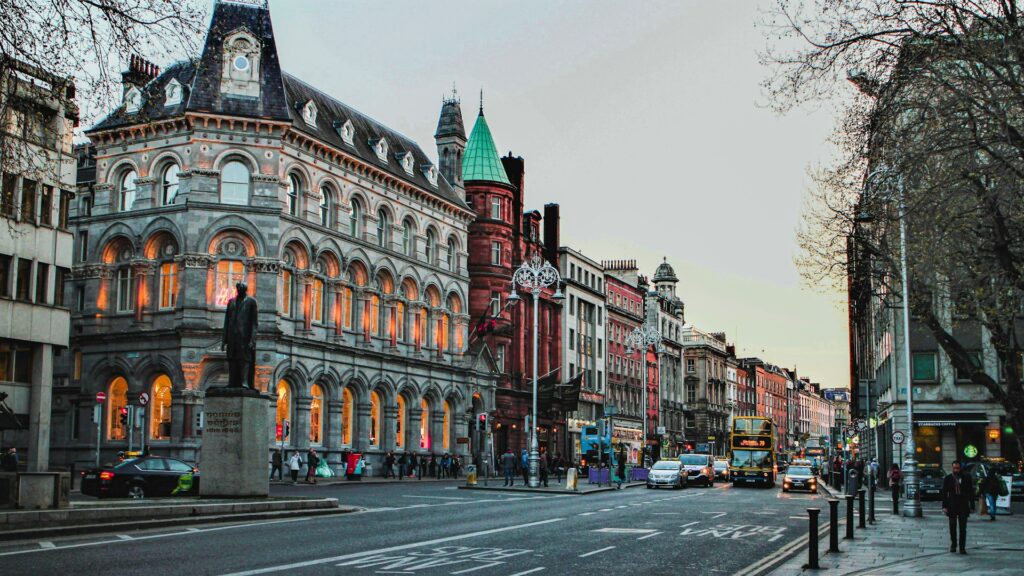
Transport Infrastructure Ireland has structured the project into distinct geographical sections, each presenting unique engineering requirements. The primary civil infrastructure package comprises 9.5km of tunnel through central Dublin, incorporating 10 underground stations with standardised dimensions of 112m in length, 25m in width, and 20m in depth. These stations will feature skylights and linear circulation patterns to platforms, requiring careful integration with existing urban infrastructure.
The northern section introduces additional complexity, with 2.5km of tunnel passing beneath Dublin Airport, necessitating specialised construction techniques to maintain airport operations during the construction phase. This segment includes interconnecting lines to the depot facility and emergency evacuation tunnels with intervention shafts where station spacing exceeds 1km.
Turner & Townsend director Lisa Reynolds, seconded to the TII MetroLink team, outlined the procurement approach during a recent Institution of Civil Engineers webinar. The project will advance through four major public contracts, with three geographical civil infrastructure contracts-designated M400 Contracts-covering tunnel construction, station shells, viaducts and related infrastructure. A separate public-private partnership contract, the M500 Contract, will address system integration and long-term operation.
Engineering Deep Dive: Automated Metro Systems
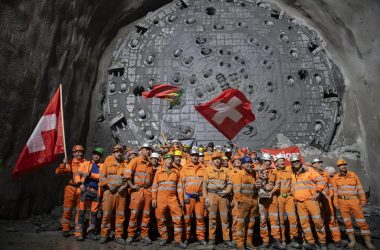
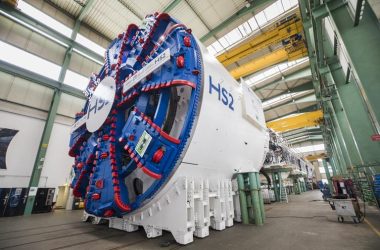
The engineering principles underlying MetroLink combine established tunnelling techniques with cutting-edge automated train control systems. The selection of tunnel boring machines will depend on Dublin’s geological conditions, which consist primarily of limestone bedrock overlain by glacial deposits. Contractors must evaluate ground conditions, tunnel diameter requirements, and drive lengths when specifying the type of TBM-either an earth pressure balance or a slurry shield machine.
Cut-and-cover construction will be employed for shallow sections where surface disruption is acceptable. This method involves excavating from the surface, constructing the tunnel structure, and then restoring the ground above. The technique proves economical for stations and shallow-running tunnels, but requires extensive traffic management and utility diversions in urban areas.
Retained cut sections, planned for the northern route segment, utilise retaining walls to support excavated slopes. This approach suits intermediate depths where full tunnelling isn’t warranted, but open cutting would require excessive land take. Engineers must design retention systems that account for lateral earth pressures, groundwater conditions, and surcharge loads from adjacent structures.
The automated train control system eliminates the need for human drivers by utilising sophisticated signalling and control technologies. Communications-based train control enables precise train positioning through continuous radio communication between trains and wayside equipment. Onboard computers process speed commands, monitor system health and implement emergency braking when necessary. Platform screen doors, synchronised with train doors, enhance safety while maintaining climate control in underground stations.
Ground investigation works by Causeway Geotech have informed foundation design and tunnelling strategies. Borehole data reveal variations in rock strength, groundwater levels, and potential karst features, requiring specialised treatment. Engineers must account for settlement predictions, particularly where tunnels pass beneath historic structures. The recent decision to lower the tunnel alignment by 5m below the Hatch Street junction demonstrates responsive design modifications based on foundation assessments of adjacent buildings.
Station box construction presents particular challenges at constrained sites, such as Glasnevin, where proximity to Irish Rail’s operational lines requires careful sequencing. Engineers must maintain railway operations while excavating large-scale underground spaces. Temporary works design becomes critical, with propping arrangements transferring loads during sequential excavation phases. The Royal Canal’s presence adds hydrogeological complexity, requiring groundwater control measures to prevent canal water ingress during construction.
Integration between civil works and railway systems requires precise coordination and synchronisation. Track alignment tolerances for automated operation exceed conventional railway standards, demanding millimetre-level accuracy in tunnel construction. The depot facility must accommodate maintenance requirements specific to driverless trains, including specialised testing tracks for control system calibration and remote diagnostic capabilities.
TII’s procurement approach distributes project risks across specialised contractors. The three M400 civil contracts allow contractors to focus on specific geographical challenges, while the M500 service delivery partner assumes long-term operational risk. This structure recognises the distinct expertise required for heavy civil construction versus automated railway operations.
The consortium’s composition reflects these specialised requirements. Alstom brings automated metro expertise from global projects, while FCC contributes heavy civil engineering experience from infrastructure projects, including extensions at Dublin Airport. RATP Dev’s operational expertise, with five automated metro projects currently underway, positions the consortium to address the entire project lifecycle.
If successful, the consortium would manage interfaces between multiple work packages while maintaining the aggressive schedule targeting mid-2030s operations. The project delivery partner, yet to be appointed following August’s periodic indicative notice, will oversee contract administration and site supervision across all packages.
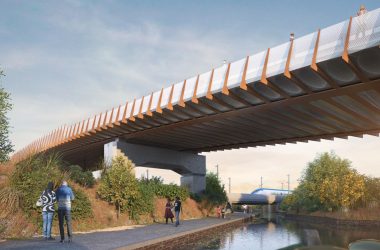
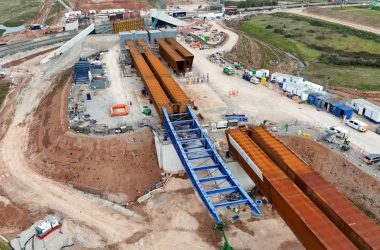
Construction sequencing must minimise disruption to Dublin’s transport network while maintaining progress across multiple work faces. The 5.2km northern section, from Dublin Airport to the Estuary, will employ varied construction methods, including retained cuts and at-grade running, with three stations constructed within retained cuttings.
Urban tunnelling beneath Dublin requires careful monitoring of ground movements to protect existing structures and utilities. Real-time instrumentation will track settlements, with predetermined trigger levels initiating additional support measures if needed. The contractor’s selection of tunnelling methods will balance production rates against risk management in sensitive areas.
With planning approval anticipated by late 2025, the project faces scrutiny over cost escalations. Initial estimates of €7.16 billion to €12.25 billion in 2021 have reportedly increased to potentially €23 billion, reflecting inflation and scope refinements. If approval proceeds as scheduled, detailed design will commence immediately, with construction potentially starting by 2027.
The automated system’s capacity to carry 20,000 passengers per hour in each direction addresses Dublin’s growing transport demands. First-year projections of 53 million passengers would establish MetroLink among Europe’s busiest metro lines, if these targets materialise.
TLDR
- International consortium (Alstom, FCC, John Laing, Meridiam, RATP Dev) signs MoU to bid for Dublin MetroLink
- 19km automated metro with 16 stations (11 underground) connecting airport to city center
- Complex engineering includes TBM tunneling, cut-and-cover, and retained cut construction
- Planning decision expected late 2025, operations targeted for mid-2030s
- Project cost estimates have risen to potentially €23bn
- Automated system designed for 20,000 passengers/hour per direction