Construction & Infrastructure
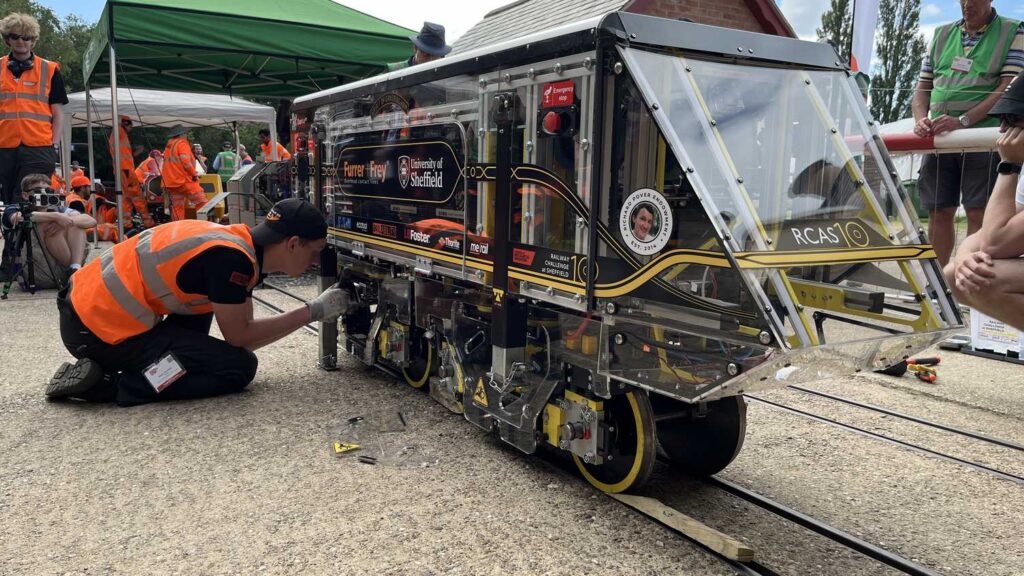
A team of ambitious engineering students from the University of Sheffield has showcased their exceptional skills by winning the Railway Challenge 2024, a prestigious global competition for aspiring railway engineers. The Sheffield students clinched the Grand Champion title, set a new competition record, and achieved their highest-ever points total.
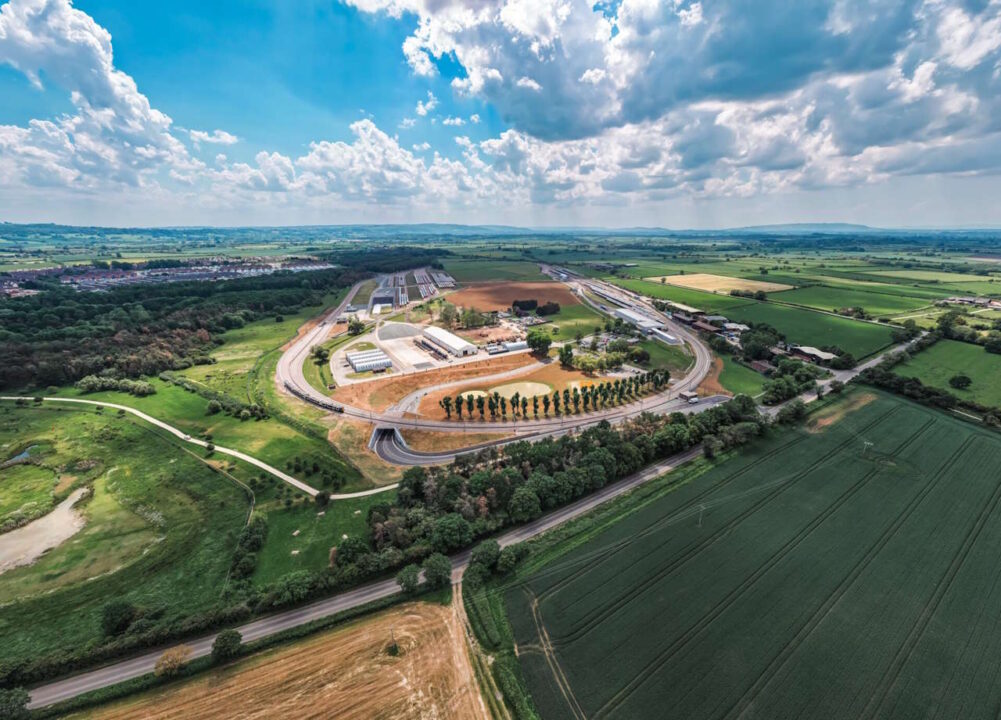
Organized by the Institution of Mechanical Engineers, the Railway Challenge brings together teams of university students, apprentices, and graduates worldwide to test their business knowledge, design ability, and technical skills in a live test environment. Participants are tasked with designing and manufacturing a miniature (10¼” gauge) locomotive adhering to strict rules and detailed technical specifications. The competition culminates in a live testing event at Stapleford Miniature Railway in Leicestershire, where teams compete in various categories, and an overall champion is crowned.
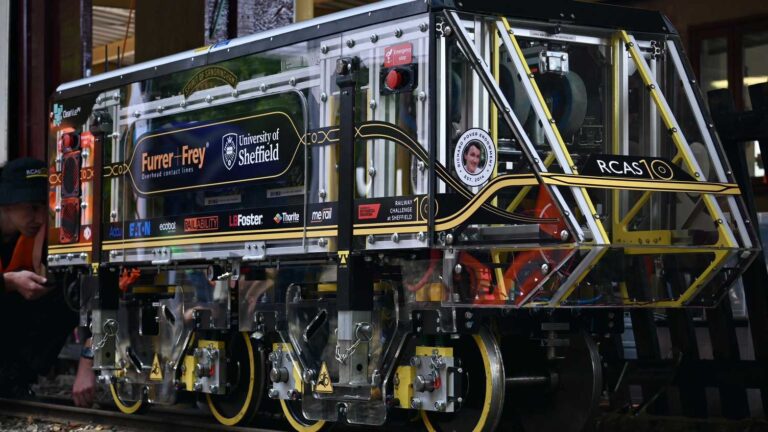
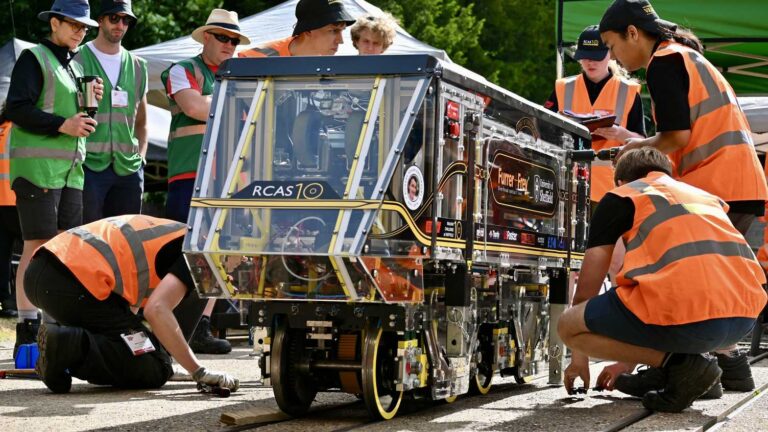
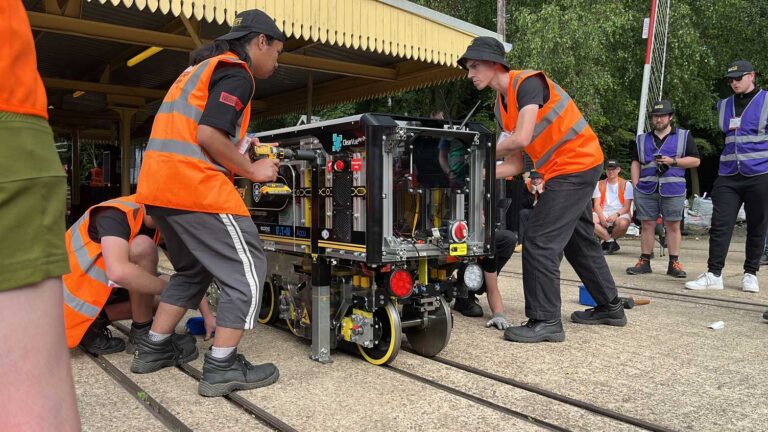
The University of Sheffield team, comprising students from diverse backgrounds and academic levels, dedicated countless hours to design and build their locomotive alongside their regular coursework. They were led by Charlotte Currie, the 2024 Team Principal. The team aimed to learn from past experiences and incorporate innovative solutions to optimize their design.
The Sheffield team’s locomotive design showcased a range of advanced engineering principles and innovations. Some key aspects include:
The University of Sheffield team’s hard work and innovative approach paid off, as they secured the Grand Champion title and excelled in individual categories. Some notable achievements include:
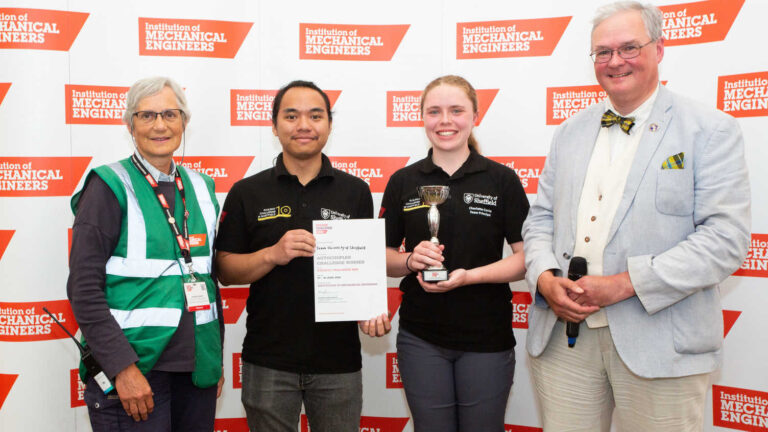
The team’s success at the Railway Challenge 2024 highlights the potential of young engineers in shaping the future of railway technology. Their innovative designs and problem-solving approaches hold promise for tackling real-world challenges the rail industry faces. As these talented individuals progress in their careers, we believe that their skills and insights will undoubtedly contribute to developing more efficient, sustainable, and reliable rail networks worldwide.
Credit via www.sheffield.ac.uk
Construction & Infrastructure
Construction & Infrastructure
Construction & Infrastructure
Automotive & Transport