Last month, UK electric vehicle sales figures showed something remarkable. In September 2026, 99,199 pure battery electric vehicles reached British roads, a 36.3 per cent increase compared with the same month the previous year. 28.3 per cent of all new cars sold in the country were powered entirely by electricity.
Add plug-in hybrids, and electrified vehicles accounted for 45.3 per cent of the market. Fewer than half of new cars sold in September had a traditional combustion-only powertrain. For context, five years ago that EV share hovered around 15 per cent.
Top UK Electric Vehicle Sales 2026
The Tesla Model 3 took the lead with 9,929 registrations, winning back the top spot after several months of tight competition.
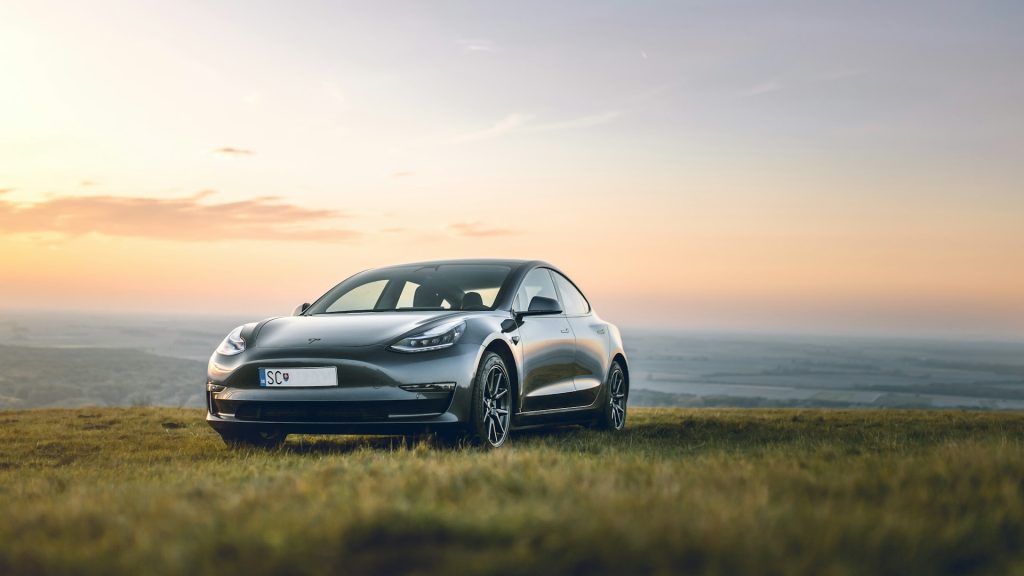
The Model Y came second with 5,946 units. However, the more interesting story is told by the one in third position: the BYD Sealion 7, an electric SUV made in China, which achieved 3,191 sales. Three years ago British customers knew very little about BYD. Nowadays it sells more than established European brands in the electric vehicle sector.
So far this year the UK has recorded 454,945 battery elecSo far this year the UK has recorded 454,945 battery electric vehicles. This is significant since the government’s Zero Emission Vehicle requirement set a 2026 target of 24.6 per cent zero-emission sales per manufacturer. The industry has already exceeded that figure with a quarter of the year remaining.ndate, which means that manufacturers who go beyond their target can hold on to or sell their excess allowances. Since Tesla has an entirely electric range, the company produces credits which in turn form a source of revenue. Manufacturers who fall short of the target can purchase these credits instead of having to pay fines, thus establishing a financial incentive that encourages the whole industry to move towards electrification.
The Engineering Enabling This Shift
The sales figures show what people are purchasing but they don’t explain why September 2026 differs so much from September 2022.
Various engineering advances have combined to make the current generation of electric vehicles genuinely practical rather than merely aspirational.
Battery energy density has climbed steadily. The cells in a 2026 Model 3 pack about 20 per cent more energy per kilogram than those in the 2022 model. That means either more range from the same battery weight or the same range from a lighter, cheaper pack. Most manufacturers have chosen a bit of both.
Charging speeds have improved dramatically. The latest 800-volt architectures, first introduced by Porsche and Hyundai, now appear in more affordable models. An 800V system can accept charging power above 250 kilowatts, adding 200 miles of range in under 20 minutes. This is not the same as filling a petrol tank, but it is close enough that range anxiety has shifted from a genuine concern to more of a habit.
Engineering Deep Dive: What Makes an 800V EV Architecture Different
Most electric vehicles on the road today use a 400-volt electrical architecture. That was the standard Tesla established with the original Model S, and it has served the industry well. So why are engineers pushing to 800 volts?
The answer comes down to a relationship taught in A-level physics: power equals voltage multiplied by current (P = VI). If you want to push 250 kilowatts of charging power into a battery at 400 volts, you need 625 amps of current. At 800 volts, you need only 312 amps for the same power.
Lower current means thinner cables, smaller connectors, and less heat from resistive losses. A 625-amp cable must be thick, heavy copper. A 312-amp cable can be noticeably thinner and lighter. Across a vehicle wiring harness, that difference saves kilograms. It also means the charging cable at a public charger remains manageable rather than requiring Olympic-level grip strength.
Heat management matters enormously. Resistive losses follow I²R, so halving the current reduces heat generation to a quarter. Less waste heat means less cooling infrastructure, which saves weight and cost. It also means the battery can accept high power for longer before thermal limits force the charging rate to taper.
The motor benefits too. An 800V motor spins at higher speeds with lower current, improving efficiency across the operating range. Silicon carbide (SiC) inverters that convert DC battery power to AC motor power work more efficiently at higher voltages, reducing switching losses that would otherwise become waste heat.
Manufacturing 800V systems is harder. Every component in the high-voltage chain - from battery cells to contactors, fuses, cables, and connectors - needs higher voltage insulation ratings. Creepage and clearance distances on circuit boards must increase to prevent arcing. Quality control becomes more critical because an 800V arc fault carries substantially more energy than a 400V one.
The industry is converging on 800V as the new standard for mid-range and premium EVs. Budget models will likely remain at 400V for several years because the cost premium for high-voltage components does not make economic sense on cars under £25,000. But for anything above £35,000, the engineering case is clear: faster charging, lighter wiring, more efficient drivetrain, and better thermal management.
Some manufacturers are already discussing 900V and even 1000V platforms for their next generation. Physics keeps rewarding higher voltage. The engineering challenge is making everything in the chain reliable enough to last 15 years and 150,000 miles without a dangerous failure.
The September figures also reflect something that spreadsheets and circuit diagrams cannot fully capture. Electric vehicles have crossed a psychological threshold. When nearly one in three new cars sold is electric, it stops being an alternative and becomes the norm. The engineering made that possible. The market is doing the rest.