Pathways into engineering
Pathways into engineering
How to become an engineer in the UK: choose a discipline, pick a route (degree, apprenticeship or T Level), take the right subjects, and get the experience and funding that open doors.
01 Choose a discipline
Choose an engineering discipline
The main branches of engineering: what engineers in each one do, what they earn and how to get in.
-
 Civil engineering
As part of our new series of resources on Engineering Career paths, we are doing a deep dive into Civil Engineering and…
Read the guide
Civil engineering
As part of our new series of resources on Engineering Career paths, we are doing a deep dive into Civil Engineering and…
Read the guide
-
 Mechanical engineering
Being an engineer is not just one profession but covers those working in many different engineering fields. Over the coming weeks we…
Read the guide
Mechanical engineering
Being an engineer is not just one profession but covers those working in many different engineering fields. Over the coming weeks we…
Read the guide
-
 Electrical engineering
Have you ever used a mobile phone, cooked your food in a microwave, or flicked the lights on a dark winter morning?…
Read the guide
Electrical engineering
Have you ever used a mobile phone, cooked your food in a microwave, or flicked the lights on a dark winter morning?…
Read the guide
-
 Electronic engineering
Once considered a subset of electrical engineering, electronic and electronic systems engineering has now emerged as an essential field in its own…
Read the guide
Electronic engineering
Once considered a subset of electrical engineering, electronic and electronic systems engineering has now emerged as an essential field in its own…
Read the guide
-
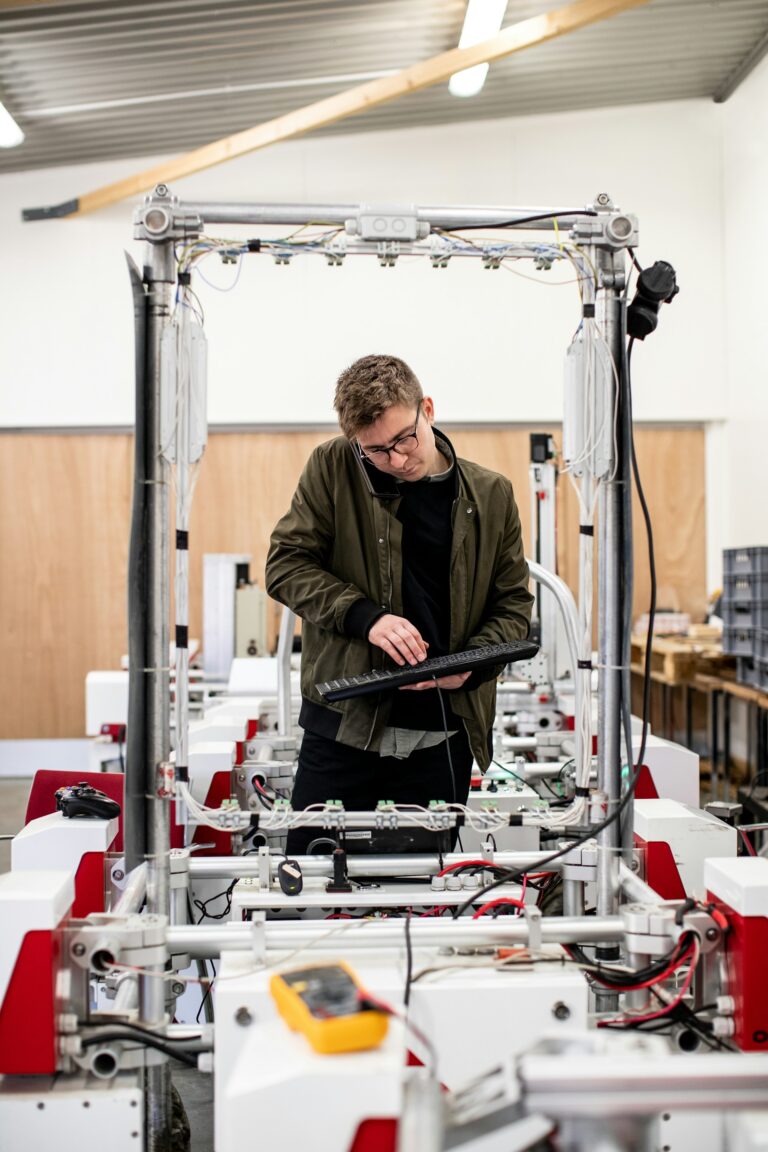 Automation engineering
As technology continues to evolve, the field of engineering has seen significant growth, especially in the area of automation engineering. Automation engineering…
Read the guide
Automation engineering
As technology continues to evolve, the field of engineering has seen significant growth, especially in the area of automation engineering. Automation engineering…
Read the guide
02 Choose a route
Routes into engineering
Degrees, apprenticeships, T Levels and vocational qualifications: how each route into engineering works and who it suits.
-
 Degree apprenticeship
The introduction of degree-level apprenticeships means it’s now possible to gain an equivalent qualification while learning on the job. Both pathways have…
Read the guide
Degree apprenticeship
The introduction of degree-level apprenticeships means it’s now possible to gain an equivalent qualification while learning on the job. Both pathways have…
Read the guide
-
 Apprenticeship
An apprenticeship can be a valuable and rewarding route into an engineering career if you’re interested in earning while you learn. The…
Read the guide
Apprenticeship
An apprenticeship can be a valuable and rewarding route into an engineering career if you’re interested in earning while you learn. The…
Read the guide
-
 Vocational qualifications
It’s not helped by the fact that the UK government is making a number of ongoing reforms to vocational qualifications, with a…
Read the guide
Vocational qualifications
It’s not helped by the fact that the UK government is making a number of ongoing reforms to vocational qualifications, with a…
Read the guide
-
 Placements and years in industry
If you find yourself studying towards an engineering degree, it’s possible you will be required to undertake work placement or a year…
Read the guide
Placements and years in industry
If you find yourself studying towards an engineering degree, it’s possible you will be required to undertake work placement or a year…
Read the guide
03 Choose your subjects
Subjects for engineering
The A levels, IB and Scottish qualifications that lead into engineering, and why each one helps.
-
 Maths
In many ways, maths is THE foundation of engineering. In fact you might say that, if there were a universal language that…
Read the guide
Maths
In many ways, maths is THE foundation of engineering. In fact you might say that, if there were a universal language that…
Read the guide
-
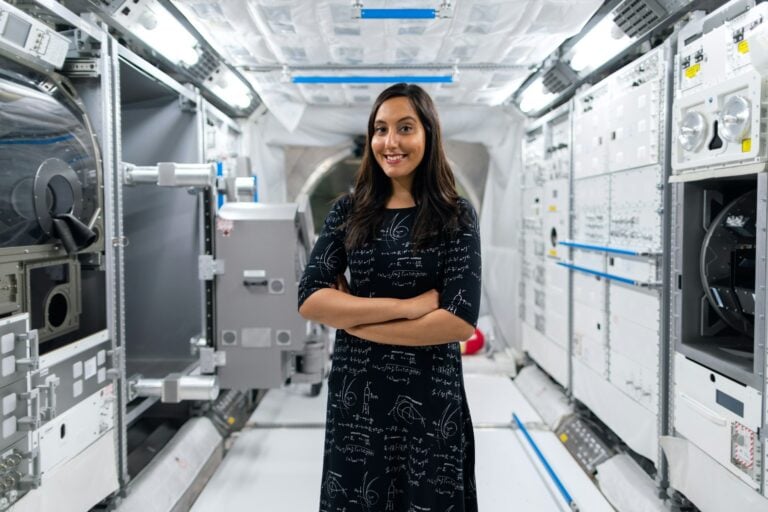 Physics
If you dream of becoming a civil, mechanical or aerospace engineer, Physics A-Level is required for most courses; chemical engineering usually needs…
Read the guide
Physics
If you dream of becoming a civil, mechanical or aerospace engineer, Physics A-Level is required for most courses; chemical engineering usually needs…
Read the guide
-
 Chemistry
The clue is in the name. Chemistry is a worthwhile A-Level to consider if you’re thinking of studying a degree and/or pursuing…
Read the guide
Chemistry
The clue is in the name. Chemistry is a worthwhile A-Level to consider if you’re thinking of studying a degree and/or pursuing…
Read the guide
-
 Biology
Thinking of a future in engineering? You may be considering A-levels in physics, maths, or computing. But don’t overlook another important subject…
Read the guide
Biology
Thinking of a future in engineering? You may be considering A-levels in physics, maths, or computing. But don’t overlook another important subject…
Read the guide
-
 Computer science
For students interested in pursuing software, computer systems or informatics engineering at university, choosing Computer Science at A-Level can set you up…
Read the guide
Computer science
For students interested in pursuing software, computer systems or informatics engineering at university, choosing Computer Science at A-Level can set you up…
Read the guide
-
 Geography
 allows you to study the physical world and how humans interact with it. While it’s technically a science, it also encompasses…
Read the guide
Geography
Geography allows you to study the physical world and how humans interact with it. While it’s technically a science, it also encompasses…
Read the guide
-
 International Baccalaureate
If you’re currently studying for your International Baccalaureate Diploma and you think you might be interested in an engineering career, then we’ve…
Read the guide
International Baccalaureate
If you’re currently studying for your International Baccalaureate Diploma and you think you might be interested in an engineering career, then we’ve…
Read the guide
-
 Scottish Baccalaureate
The Scottish Baccalaureate in Science is a comprehensive qualification, designed to provide aspiring engineers with a rigorous and rewarding educational experience during…
Read the guide
Scottish Baccalaureate
The Scottish Baccalaureate in Science is a comprehensive qualification, designed to provide aspiring engineers with a rigorous and rewarding educational experience during…
Read the guide
04 Get experience and funding
Engineering work experience and funding
Work experience, competitions, clubs, scholarships and applications: how to stand out and pay for your studies.
-
 Work experience
Starting in September 2026, schools will change how they handle work experience. The Department for Education updated its careers guidance on 23…
Read the guide
Work experience
Starting in September 2026, schools will change how they handle work experience. The Department for Education updated its careers guidance on 23…
Read the guide
-
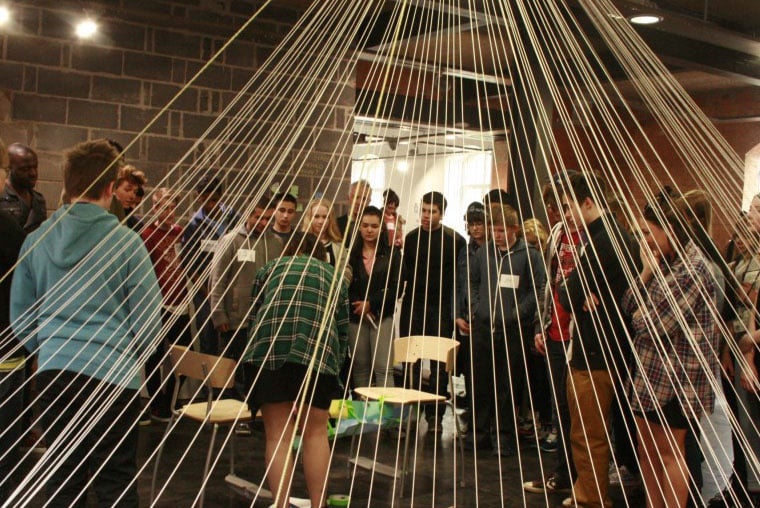 Competitions
The Longitude Explorer Prize Longitude Explorer is a youth focused challenge for secondary school pupils (and constituted youth groups) aged 11-16, which…
Read the guide
Competitions
The Longitude Explorer Prize Longitude Explorer is a youth focused challenge for secondary school pupils (and constituted youth groups) aged 11-16, which…
Read the guide
-
 Clubs and extracurriculars
Whilst there is a lot of demand for engineers and STEM graduates in the UK job market, that doesn’t change the fact…
Read the guide
Clubs and extracurriculars
Whilst there is a lot of demand for engineers and STEM graduates in the UK job market, that doesn’t change the fact…
Read the guide
-
 Scholarships and funding
Engineering scholarships remain one of the best-kept secrets in UK education. While headlines focus on student debt, a quiet network of professional…
Read the guide
Scholarships and funding
Engineering scholarships remain one of the best-kept secrets in UK education. While headlines focus on student debt, a quiet network of professional…
Read the guide
-
 CVs and applications
Engineering roles require a set of strong technical and transferable skills, and showcasing these on your CV is the first important step…
Read the guide
CVs and applications
Engineering roles require a set of strong technical and transferable skills, and showcasing these on your CV is the first important step…
Read the guide
Next step
Find work experience, summer schools and scholarships
Opportunities for Years 10 to 13, sorted by closing date and checked every week.