Automotive & Transport
From a 7am safety briefing to solving problems on site, here is what a typical day looks like for a UK civil engineer.

The short answer: a civil engineer’s day usually mixes site work and office work. Mornings often start early with a safety briefing and a site inspection. The middle of the day goes on design, calculations and computer models. Afternoons bring meetings with architects and contractors, solving problems on site and keeping project records up to date. Exactly how the day splits depends on whether you work for a design consultancy or a contractor.
For the full picture of the job, including pay, specialisms and how to get in, read our introduction to civil engineering. This article zooms in on what a typical day actually looks like.
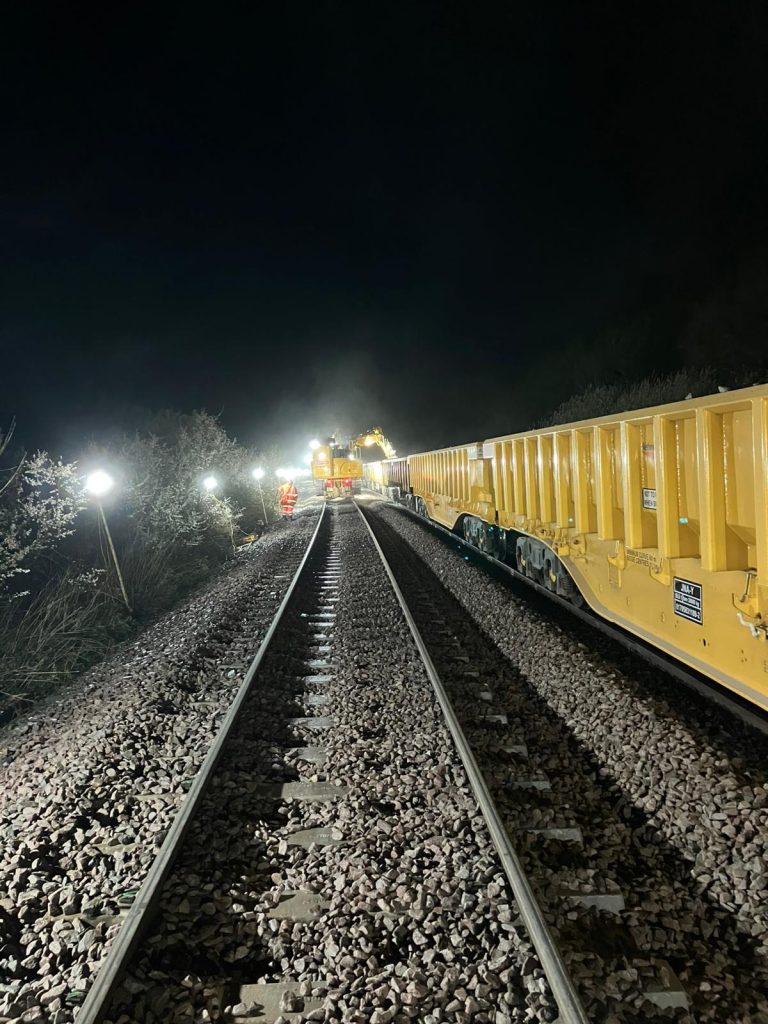
On construction projects the day often starts between 7am and 8am, so engineers are on site when the crews arrive. Before work begins, the team gathers for a short “toolbox talk” about the day’s hazards: working at height, lifting, electrical safety or the weather. On bigger sites, a longer briefing covers emergency procedures and who is doing what.
“As well as the technical skills required to be a civil engineer, communication skills are very important,” explained Anthony Kitenge-Ngandu from Avove. “To make sure everybody gets home safe at the end of the day I make sure I clearly communicate information to my team about risk assessments and potential hazards.”
Next comes a site inspection. Engineers check that yesterday’s work was finished properly, photograph progress, and look for problems early, from a foundation in the wrong place to a blocked drain.
Back at a desk, engineers move on to design. Most work in 3D modelling software, building digital models of roads, pipes, foundations or whole buildings. Change one part, such as a road’s route, and the software updates everything linked to it.
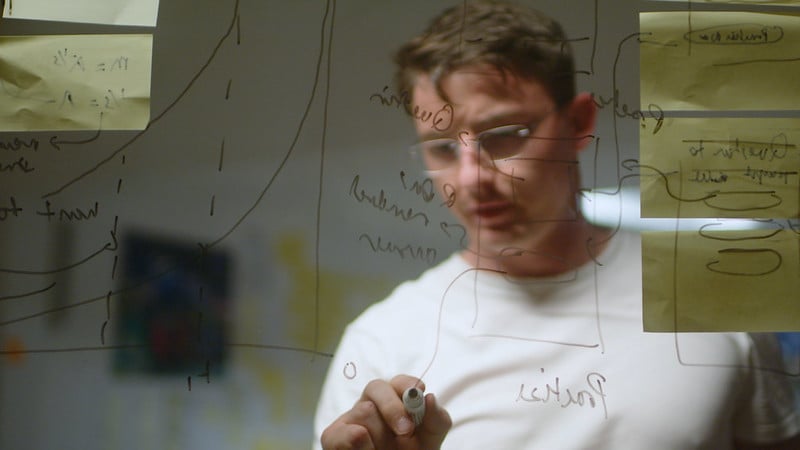
Structural software checks how a design will cope with its own weight, the people and vehicles using it, wind and snow. Important calculations are still checked by hand, using the maths and physics you learn at A level: forces, moments and how materials bend and stretch.
Senior engineers then review the work. Many projects use Building Information Modelling (BIM), a shared digital model that lets everyone spot clashes, such as a pipe running through a beam, before anything is built.
No civil engineer works alone. A typical week includes progress meetings with project managers, contractors, architects and clients to go through the schedule, any changes, and questions that need answering.
When a contractor finds something the drawings do not cover, they send a formal question called a request for information (RFI). The engineer’s job is to answer it clearly and quickly, often with a marked-up drawing.
Real ground rarely matches the plans exactly. “When you’re working on water projects, it’s very important to make regular site visits,” explained Anthony Kitenge-Ngandu. “What you see on the ground can often be very different from the drawings you create on your desktop. Often, I’ll work with managers onsite who’ll open my eyes to things that I wouldn’t normally see.”
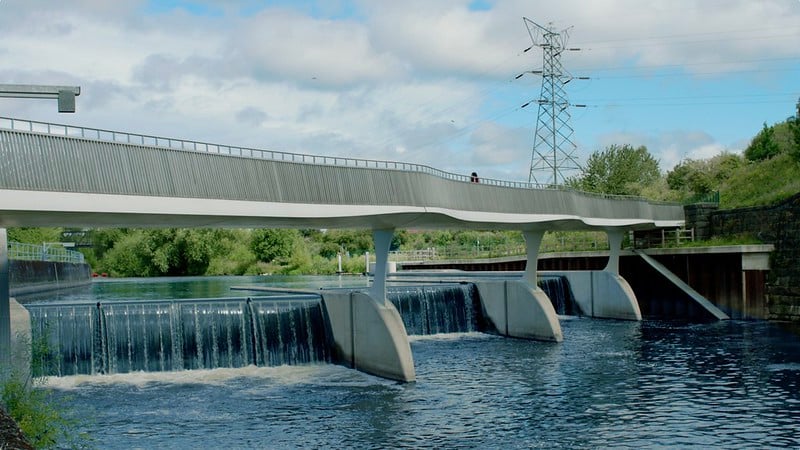
That might mean softer soil than expected, an old pipe nobody knew about, or a drain that keeps flooding. As Morisho Walingamina from Avove put it: “Problem-solving is another core skill. Many things could go wrong at any point during a project, so you must be able to problem-solve and think on your feet to resolve issues fast.”
Before heading home, engineers update the project’s records: what was built, who was on site, deliveries, test results and any issues. These records matter for safety, for paying contractors fairly and for anyone who maintains the structure in decades to come.

“Most structures today are designed to last more than 100 years,” said civil engineer Emma Watkins. “Knowing that I’ve helped build something that my children and grandchildren may use is a real source of pride for me.”
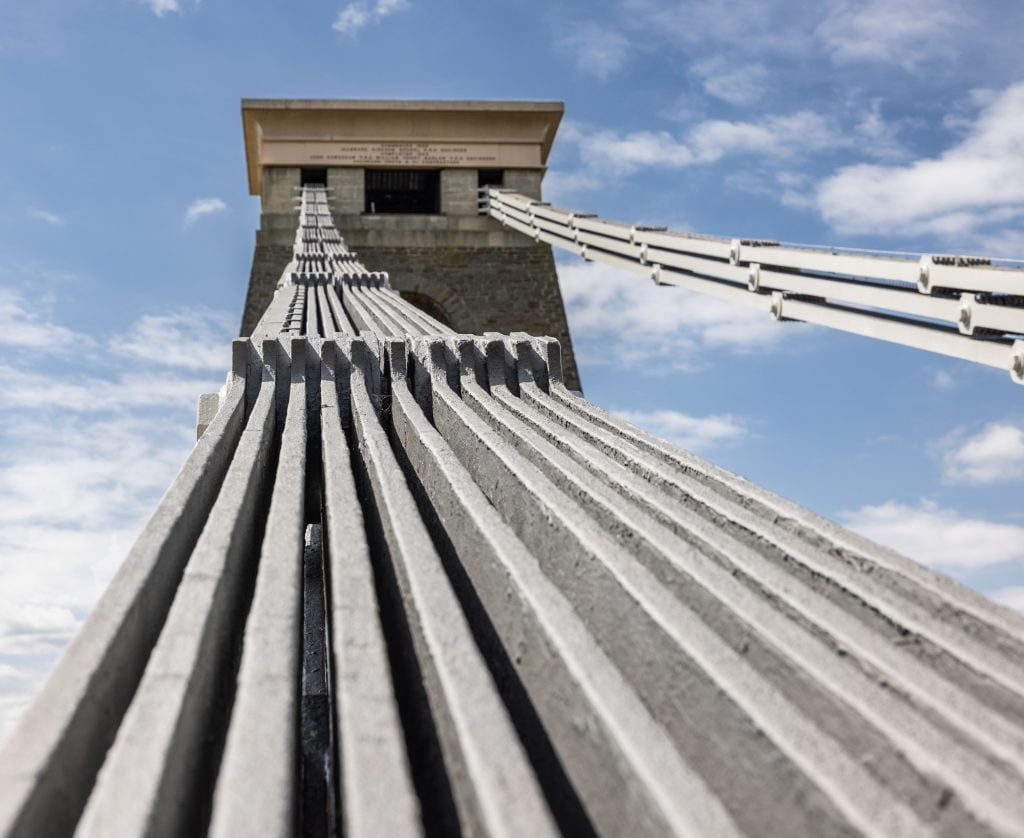
Want to try it? Our guide to getting engineering work experience explains how to spend time with a contractor or consultancy. If bridges are your thing, see structural engineering careers.
Usually around 37 to 42 hours a week. Site-based engineers often start early and sometimes work weekends when deadlines or weather demand it.
Both. Design engineers at consultancies spend most of their time in the office with site visits; site engineers with contractors are on site for much of the week.
3D design and modelling software, structural analysis programs and shared BIM models, plus spreadsheets for calculations and project tracking.
Credit Find out more about the amazing careers engineering offers
The railway runs for about 140 miles, with four new stations and two depots.
Checked 14 October 2026
Across the route, we’re building 169 bridges and 52 viaducts, and shaping the landscape through 110 embankments and 71 cuttings.
Checked 14 October 2026
Klamath River dams fully removed ahead of schedule
The largest river restoration project in American history has officially completed all of the work to remove the dams, a massive infrastructure project that was done ahead of schedule and on budget.
Checked 14 October 2026
Klamath River dams fully removed ahead of schedule
The removal of the dams, which had blocked the river’s natural flow for over a century, restores nearly 400 miles of vital habitat for salmon and other species
Checked 14 October 2026
Automotive & Transport
Construction & Infrastructure
Construction & Infrastructure
Construction & Infrastructure