Aerospace, Defence & Marine
For National Engineering Day 2026, we wrote a job advert from the future. The role is invented, but the engineering is real, and the route in starts with the subjects you are taking now.
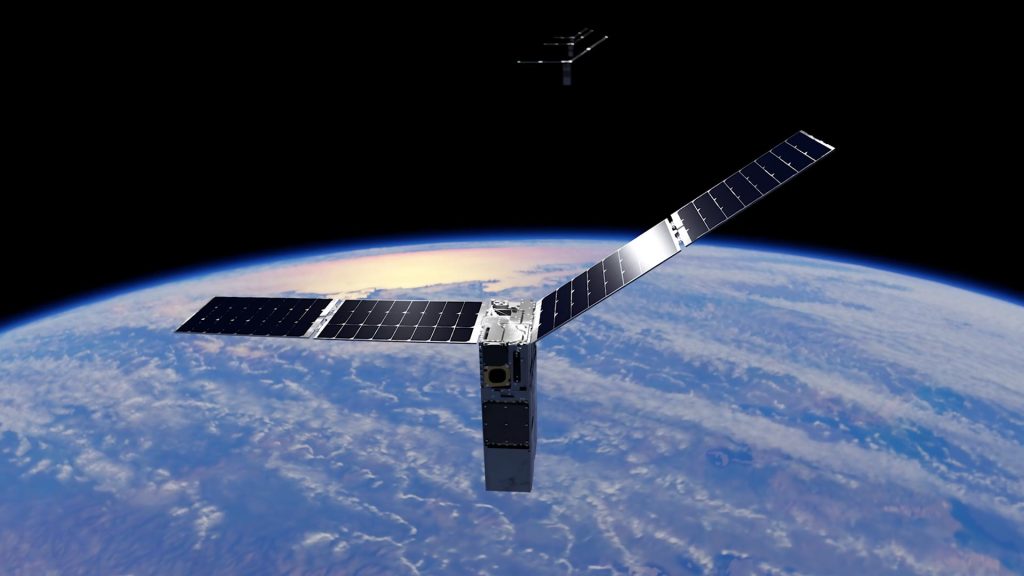
By 2076, stations in orbit will not just be laboratories. They will be places where people live for months at a time. Today, living structures in space provide only the bare essentials. The experts behind National Engineering Day imagine homes in orbit with lighting that follows our body clocks, artwork, plants and even pets.[2] Somebody has to build them. That somebody is you.
You will design, build and look after the structures and systems that keep people comfortable in orbit. Not just alive. Comfortable.
Engineering deep dive
Orbital Habitat Engineer does not exist yet, but its closest relatives do. Structural engineers work out how structures carry loads safely. Mechanical engineers design the machines and systems inside them, from heating and ventilation to pumps and life support. Aerospace engineers bring both together for anything that flies, or orbits.
The groundwork is already in place. The International Space Station is 109 metres end to end and has been lived in continuously since November 2000.[3] The engineers of 2076 will build on what today's engineers have learned up there.
How to get started:
The Royal Academy of Engineering's free toolkit includes an editable job advert template. The brief is simple: imagine a role that does not exist yet and pair it with a real engineering job that exists today.[6] It works well as a tutor-time or club activity. Share the results with #NationalEngineeringDay, and find dates and links on our National Engineering Day listing.
Links to the curriculum: A level, GCSE, KS3
Where is the International Space Station?
At 28 800 km/h it only takes 92 minutes for the weightless laboratory to make a complete circuit of Earth.
Checked 28 October 2026
National Engineering Day 2026 toolkit
Today, living structures in Space provide only the bare essentials needed for survival. In 2076, there will be innovations that transform them into homes where we can thrive
Checked 28 October 2026
Space Station Facts and Figures
In 24 hours, the space station makes 16 orbits of Earth
Checked 28 October 2026
NASA Achieves Water Recovery Milestone on International Space Station
Recent assessments found that the BPA helped the system achieve the 98% water recovery goal.
Checked 28 October 2026
National Engineering Day resources
Now Hiring: The Engineers of 2076 celebrates the Academy's 50th anniversary not by looking back, but by looking fifty years ahead and considerably further up.
Checked 28 October 2026
National Engineering Day resources
Imagine a role that doesn't exist yet and pair it with a real engineering job that exists today.
Checked 28 October 2026
Aerospace, Defence & Marine
SpaceInnovation
Construction & InfrastructureInnovation