
Energy & Environment
The University of Bristol is working with Lux Machina, the virtual production specialists behind House of the Dragon, to fit out a new LED virtual production stage and 35-seat Smart Cinema at its MyWorld creative technology hub, due to open in autumn 2024.
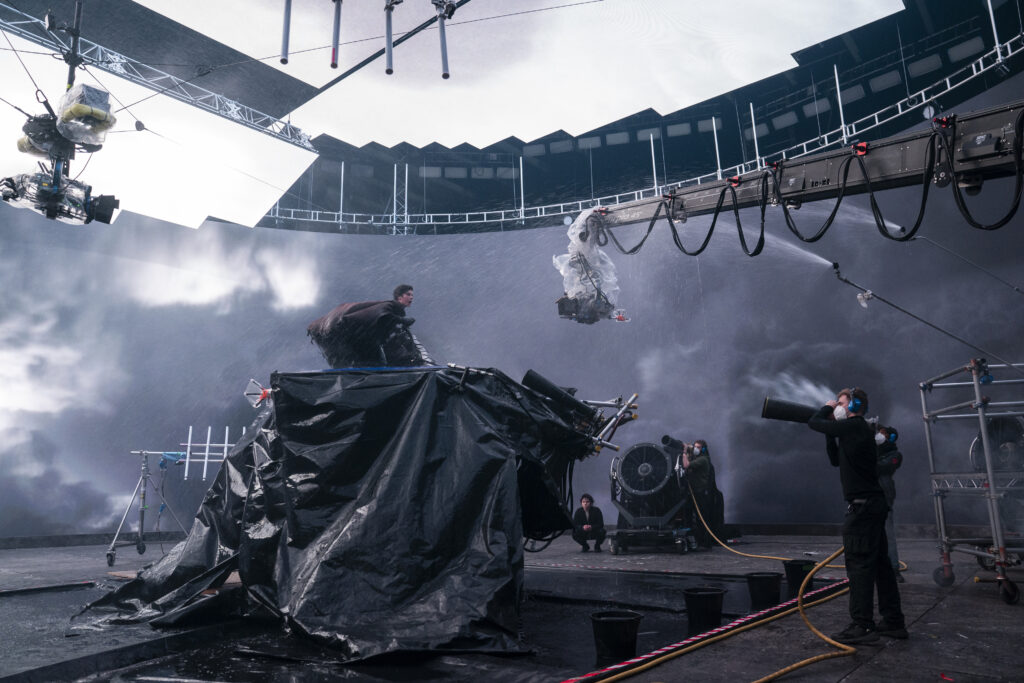
The University of Bristol has partnered with industry leader Lux Machina Consulting to install a state-of-the-art virtual production stage and Smart Cinema in its new £30 million MyWorld creative technologies hub.[1][2]
ABOVE: House of Dragons made use of Virtual Production Screen tech from Lux Machina Consulting
The facility, set to open in Autumn 2024,[3][4] will allow businesses and researchers to collaborate on innovative film, TV, and gaming projects.
Virtual production is a filmmaking technique that utilizes computer-generated imagery (CGI) and real-time rendering to create immersive, dynamic environments. Instead of traditional green screens, actors perform in front of LED backdrops that display the virtual world, allowing for more natural interactions and lighting.
Lux Machina’s groundbreaking virtual production technology has been used in high-profile projects such as “House of the Dragon,” the victorious “Game of Thrones” spin-off.[5][6] Their expertise will be crucial in establishing the University of Bristol’s facility as a leader in the field.
The MyWorld programme, funded by a £30 million grant from UK Research and Innovation’s (UKRI) Strength in Places Fund (SIPF),[2] aims to capitalize on the West of England’s strengths in production, technology, and research. By providing access to cutting-edge facilities, skills development, and innovation funding, MyWorld seeks to drive growth in the region’s creative industries. The project will feature:
The experimental studio and Smart Cinema will enable partners from global giants like Netflix and Amazon to local indie filmmakers to access the tools and data needed to develop new technologies and create innovative content.
The facility aims to foster collaboration between industry professionals and world-leading academics, driving research into In-camera visual effects (ICVFX), Virtual and augmented reality, and Audience engagement and sentiment analysis.
Virtual production stages, or LED volumes or virtual sets, represent a significant advancement in film and television production technology. By combining large LED screens, real-time rendering engines, and camera tracking systems, virtual production stages allow filmmakers to create immersive, photorealistic environments seamlessly blending practical and digital elements. This article provides a technical overview of virtual production stages and their applications for undergraduate students in film, media, and related fields.
A typical virtual production stage consists of several key components:
Virtual production stages offer numerous benefits and applications for film and television production:
Several high-profile film and television productions have successfully utilized virtual production stages, demonstrating the technology’s potential:
Virtual production stages represent a significant shift in the way films and television shows are produced, offering filmmakers unprecedented creative control, flexibility, and efficiency. As the technology continues to evolve and become more accessible, it is likely that virtual production will become an increasingly essential tool for the next generation of filmmakers and content creators. By understanding the technical foundations and applications of virtual production stages, undergraduate students can position themselves at the forefront of this exciting and transformative field.
By co-locating research, R&D, and training, the Coal Shed aims to drive innovation while addressing skills gaps and promoting inclusivity in the creative sector.
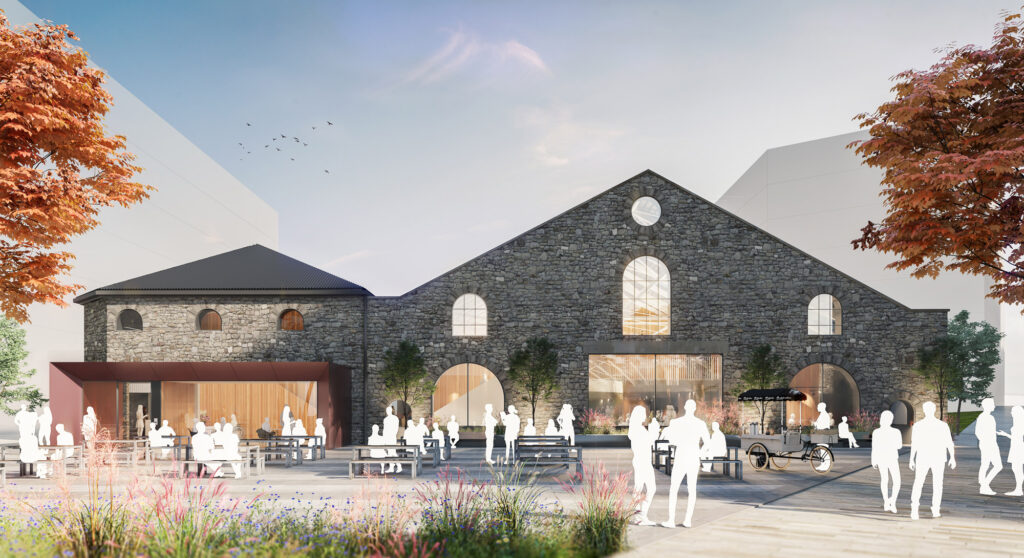
MyWorld estimates the programme will boost the regional economy by £223 million GVA (Gross Value Added) by 2030.[9][10] The creative industries contribute £124 billion to the UK economy annually,[11][12] highlighting the significance of investments like the MyWorld programme.
Bristol’s recent City of Film award, presented at Screen International’s Global Production Awards during the Cannes Film Festival,[13][14] further underscores the city’s growing reputation as a hub for creative innovation. The city has also been a UNESCO City of Film since 2017.[15]
As virtual production continues to impact the entertainment industry, facilities like the University of Bristol’s Coal Shed should play a vital role in shaping the future of storytelling. By making cutting-edge technologies accessible to a wide range of creators, we hope the project can unlock new possibilities and nurture the next generation of technical and creative talent.
Credit via bristol.ac.uk
‘House of the Dragon’ technology winging its way to University of Bristol’s world-first facility
as part of the MyWorld programme, a £30m UKRI Strength in Places funded initiative designed to build on the production, technology and research strengths of the West of England
Checked 20 November 2026
MyWorld set to make South West a digital media leader on global stage
The MyWorld creative hub has been awarded £30m from the UK Research and Innovation's (UKRI) Strength in Places Fund (SIPF) with a further £16m coming from an alliance of more than 30 industry and academic partners
Checked 20 November 2026
‘House of the Dragon’ technology winging its way to University of Bristol’s world-first facility
The new facility, comprising a comprising a 35 seat Smart Cinema equipped with a range of monitoring technology, alongside an experimental studio, is due to open in Autumn 2024.
Checked 20 November 2026
‘House of the Dragon’ technology behind Bristol University’s world-first facility
The new multi-million pound facility will be built in Bristol's Temple Quarter and is set to open in Autumn 2024.
Checked 20 November 2026
‘House of the Dragon’ technology winging its way to University of Bristol’s world-first facility
Lux Machina Consulting , whose world-leading technology brings dragon flight to life in the successful Game of Thrones spin-off
Checked 20 November 2026
Lux Machina Consulting on Barbie and House of the Dragon
Lux Machina Consulting stands out, thanks to its work pioneering virtual production in an LED volume on The Mandalorian, and more recent high-profile projects including House of the Dragon, Barbie and Masters of the Air.
Checked 20 November 2026
‘House of the Dragon’ technology winging its way to University of Bristol’s world-first facility
As well as the £1.2m virtual production stage, the new facility will support motion capture technology
Checked 20 November 2026
‘House of the Dragon’ technology behind Bristol University’s world-first facility
installed alongside a one-of-a-kind 35 seat Smart Cinema
Checked 20 November 2026
‘House of the Dragon’ technology winging its way to University of Bristol’s world-first facility
MyWorld aims to boost the regional economy by £223m GVA (Gross Value Added) by 2030
Checked 20 November 2026
MyWorld set to make South West a digital media leader on global stage
The hub is projected to generate more than 700 new jobs and boost the economy by £223m.
Checked 20 November 2026
DCMS Sectors Economic Estimates Gross Value Added 2022 (provisional)
The creative industries contributed £124.6bn in 2022, accounting for 5.7% of UK GVA.
Checked 20 November 2026
Creative industries add £124bn of value to UK
The economic contribution of the UK creative industries grew by 6.8 per cent in 2022 to reach £124.6bn, according to official UK government estimates
Checked 20 November 2026
Screen International and KFTV’s Global Production Awards 2024 winners in Cannes
UK city Bristol was named City of Film.
Checked 20 November 2026
Bristol wins City of Film Award at the 2024 Global Production Awards
Bristol has won the coveted City of Film Award at the 2024 Global Production Awards , presented on Monday (20 th May) during Cannes Film Festival.
Checked 20 November 2026
University welcomes announcement that Bristol is named UNESCO City of Film
The University of Bristol has welcomed today's exciting news that Bristol has been named a UNESCO City of Film.
Checked 20 November 2026
Energy & Environment

ChemicalsBreakthroughs

Automotive & Transport
Electronics & Communications