
YouTube channelElectronics and computing
Nemean
Animated explainers on algorithms and the maths behind computer science. Suits students who enjoy maths and want to see how it makes computers faster.
Engineering YouTube channel
Ben turns everyday materials into clever science experiments and builds, from homemade aerogel to cooling paint. Good for curious makers who like to know why things work.
NightHawkInLight is run by a maker called Ben, who has been filming projects and science experiments since 2006. He describes his aim as turning boring things into interesting ones.
The videos mix building with real physics and chemistry. Ben tests ideas with simple materials, explains the science behind each result and is honest when something does not work. Recent topics include cooling roof paint, homemade aircrete, waterproofing fabric and what electrolysis really does to water. The pace is careful and the explanations are clear, so viewers come away understanding the principle as well as the project.
Some highlights include:
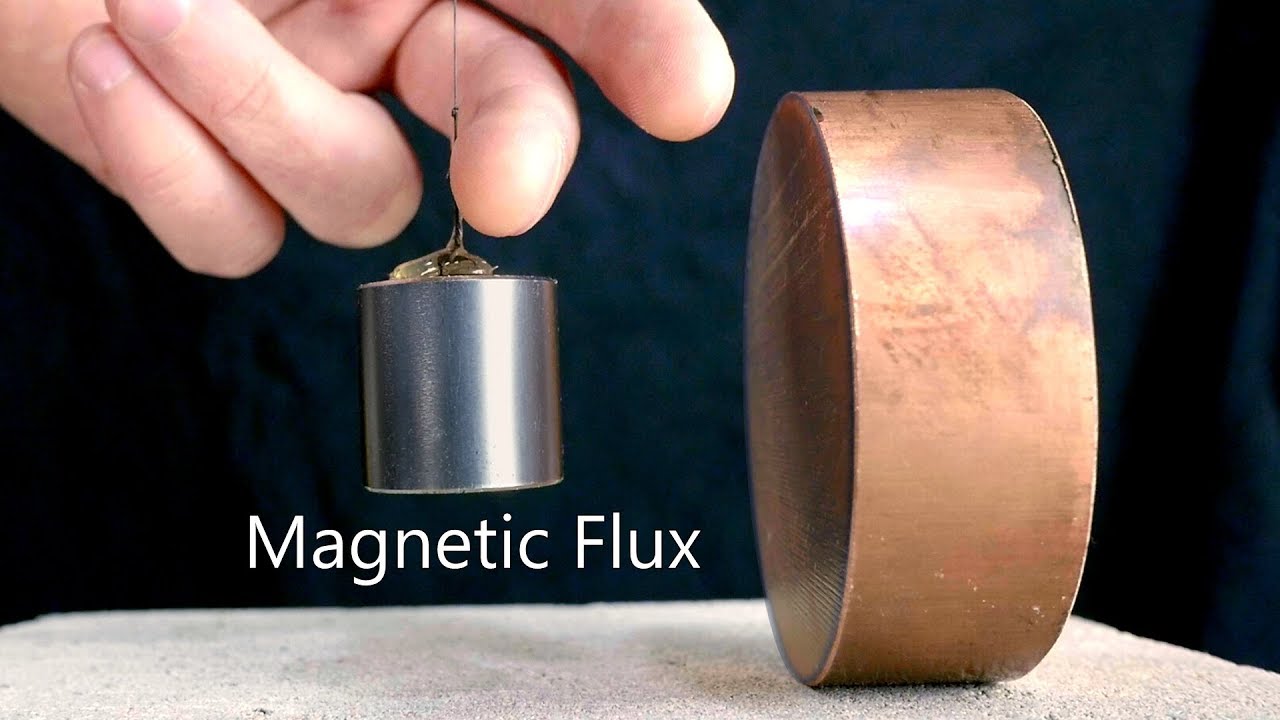
A strong magnet passing over copper shows how induced currents create a braking force, a surprising effect with real uses in engineering.

A look back at Starlite, a heat resistant material, is followed by an attempt to recreate something similar at home.

A Tesla valve is explained using flames, showing how its shape lets fluid flow easily one way but not the other.

The channel has over 2.5 million subscribers.
This channel connects strongly to materials science, mechanical engineering and building services engineering. Ideas such as passive cooling, insulation and flow control are live topics for engineers working on energy efficient buildings. It also shows the habit every engineer needs: test an idea, measure what happens and explain the result. Many of the experiments use cheap, everyday materials, so the ideas are easy to follow and discuss.
YouTube channelElectronics and computing
Animated explainers on algorithms and the maths behind computer science. Suits students who enjoy maths and want to see how it makes computers faster.

YouTube channelScience explained
Chemists at the University of Nottingham explain every element and much more, led by Sir Martyn Poliakoff. Good for students and teachers of chemistry.

YouTube channelMaking and mechanical
An aerospace engineering graduate who designs, 3D prints and tests inventive machines. Great for students who like building things and seeing how ideas are…

YouTube channelScience explained
Daily science news explained in plain language by science teacher Anton Petrov, with a strong focus on space. Suits anyone who wants to keep…